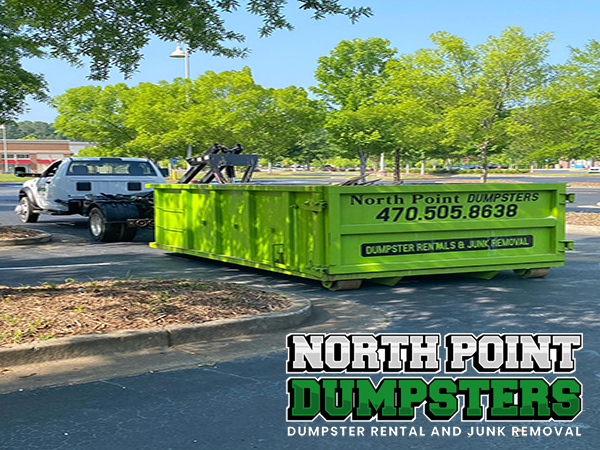
Determining the best dumpster size is essential for ensuring a smooth and efficient cleanup process. Whether you’re clearing out a home, managing a construction site, or handling a business renovation, having a dumpster that fits your needs helps keep everything organized and efficient. If your dumpster is too small, you risk running out of space and needing additional pickups. Too large, and you might end up paying for more space than you really need. Finding a balanced dumpster size helps you handle your project’s materials effectively.
At dumpster trailer rental North Point Dumpsters, we know it can be challenging to determine which container size fits your particular project. A lot of clients don’t know what to consider or where to start when picking the right size. Our team works closely with you to assess your project thoroughly, from material type to project duration. By carefully assessing these elements, you can ensure that your dumpster rental supports your work instead of slowing it down.
Evaluating Your Project Type Before Choosing a Dumpster
Every project generates a unique type and amount of waste. A simple decluttering job might yield lightweight waste, while renovation work often results in heavier debris such as wood, plaster, or concrete. Knowing what kind of work you’re doing is key to determining the best dumpster for the job. Consider the volume and weight of materials you expect to dispose of. Bulky but lighter debris occupies more room, whereas dense waste fills a container faster even when it’s not full.
Consider the location on your site or property where you’ll be performing the work. If you’re working on a small renovation or garage cleanup, a compact container that fits your driveway might suffice. On the other hand, large-scale construction or landscaping projects might call for a bigger container that can hold substantial amounts of debris. By judging the size and complexity of your project, you’ll choose a dumpster that handles your debris effectively and with ease.
Estimating the Total Debris Output of Your Project
A key factor in estimating the right dumpster size is determining the total volume of waste you’ll produce. This doesn’t have to be an exact number, but having a general idea will help you make a smarter decision. Start by visualizing how much material will be discarded and how it might stack up inside a container. For instance, if you’re tackling a major home renovation, consider the old fixtures, flooring, cabinetry, and general debris that will be removed during the process.
For extensive cleanups, take time to survey the space and record what you intend to dispose of. Furniture, boxes, yard debris, and construction scraps can add up faster than expected. Remember that compacting materials or breaking them down before placing them in the dumpster can help maximize space. It’s often safer to overestimate slightly so you don’t run out of room midway through the job.
Considering the Type and Weight of Materials
Different materials have varying disposal requirements and weights. Heavy debris, such as roofing shingles, bricks, or concrete, requires a container that can safely handle the load. Overfilling a dumpster with dense materials can exceed its weight limit and create safety hazards during pickup. It’s important to choose a dumpster size that can manage both the volume and the weight of what you’re throwing away. Being aware of your debris composition keeps your project on schedule and efficient.
Household items and yard waste often need larger capacity due to bulk, not heaviness. Sorting your debris before loading helps use space more efficiently and prevents weight issues. Our team offers practical advice on distributing waste evenly to ensure safe and efficient use of your dumpster.
Planning the Best Spot for Dumpster Placement
Before finalizing your dumpster rental, it’s essential to think about where the container will be placed. Every placement area—whether a driveway or job site—comes with its own space challenges. Always check that trucks can safely deliver and remove the dumpster. Also, take into account the maneuverability of vehicles or equipment around the area, so your operations continue smoothly. Thoughtful placement keeps your project productive and obstacle-free.
It’s also a good idea to prepare the surface where the dumpster will sit. Flat, hard ground such as concrete or asphalt works best, because it prevents damage and ensures stability. Stay away from soft or sloped areas that can cause shifting or imbalance. At North Point Dumpsters, we carefully position every container to keep it stable and easy to access, providing complete assurance for the duration of your project.
Planning Dumpster Use Around Your Project Schedule
Project duration is another critical factor in determining your dumpster size. Short-term cleanups might only need a container for a few days, while ongoing renovations could require extended use. The more time your project takes, the greater your waste output. Estimating your project timeline helps determine whether you need a larger dumpster upfront or multiple smaller ones over time. Proper planning keeps your site tidy and efficient throughout the project.
Timing also plays a role in maintaining efficiency. Scheduling your dumpster delivery to coincide with key phases of your project ensures debris can be removed as work progresses. Doing so prevents pileups, promotes safety, and supports ongoing productivity. Our rental schedules are flexible to fit shifting timelines, so you can stay focused on your tasks while we handle the timing.
Frequent Errors People Make When Renting a Dumpster
A typical error when renting dumpsters is misjudging the amount of waste generated. It’s easy to think a smaller container will suffice, only to find out halfway through the job that you’ve run out of space. Overloading or stacking items above the container line can create safety hazards and lead to additional pickups. The best approach is to choose a bit more space than you think you’ll need. It’s smarter to have extra capacity than risk running out of room.
Another mistake is not considering the type of material being disposed of. Mixing heavy and light materials unevenly can create imbalances that make the container difficult to load or transport. There are also restricted materials that must be handled separately. Our team provides detailed direction on acceptable materials, ensuring your project remains compliant and efficient.
Why Consulting Experts Leads to Smarter Dumpster Decisions
Despite good planning, choosing the perfect size can be difficult without experience. This is where expert advice can make all the difference. Experts use their experience to offer tailored advice based on your project’s needs. Professionals analyze your requirements and suggest the most suitable option. Expert input saves time, effort, and ensures a seamless cleanup experience.
We’re dedicated to giving every customer clear, attentive support during the entire rental process. From the moment you call to the final pickup, their priority is to make your experience efficient, transparent, and stress-free. By partnering with knowledgeable professionals, you can feel confident that you’ve chosen the best possible dumpster for your project’s needs, guaranteeing your work site stays efficient, organized, and safe.
Making the Right Choice for a Smooth and Tidy Cleanup
Getting the correct dumpster size is key to maintaining an orderly, efficient project. When you evaluate your material weight and project scope, it’s easier to choose the ideal container. Planning ahead helps you avoid clutter, excess hauls, and workflow interruptions. A well-chosen dumpster simplifies cleanup, enhances safety, and keeps your work site efficient from start to finish.
At North Point Dumpsters, our mission is to guide customers in making smart, effective cleanup choices. We provide professional support, adaptable services, and a strong dedication to satisfaction for a seamless rental process. From renovations to cleanouts, working with our professionals helps keep your project efficient and well-managed.